We put this table together in a corporate boardroom. (We don’t have one.)
01 · Self-hosted
Your content should live on your infrastructure.
Storyblok stores your content on their servers. You access it through their API, on their terms, subject to their availability.
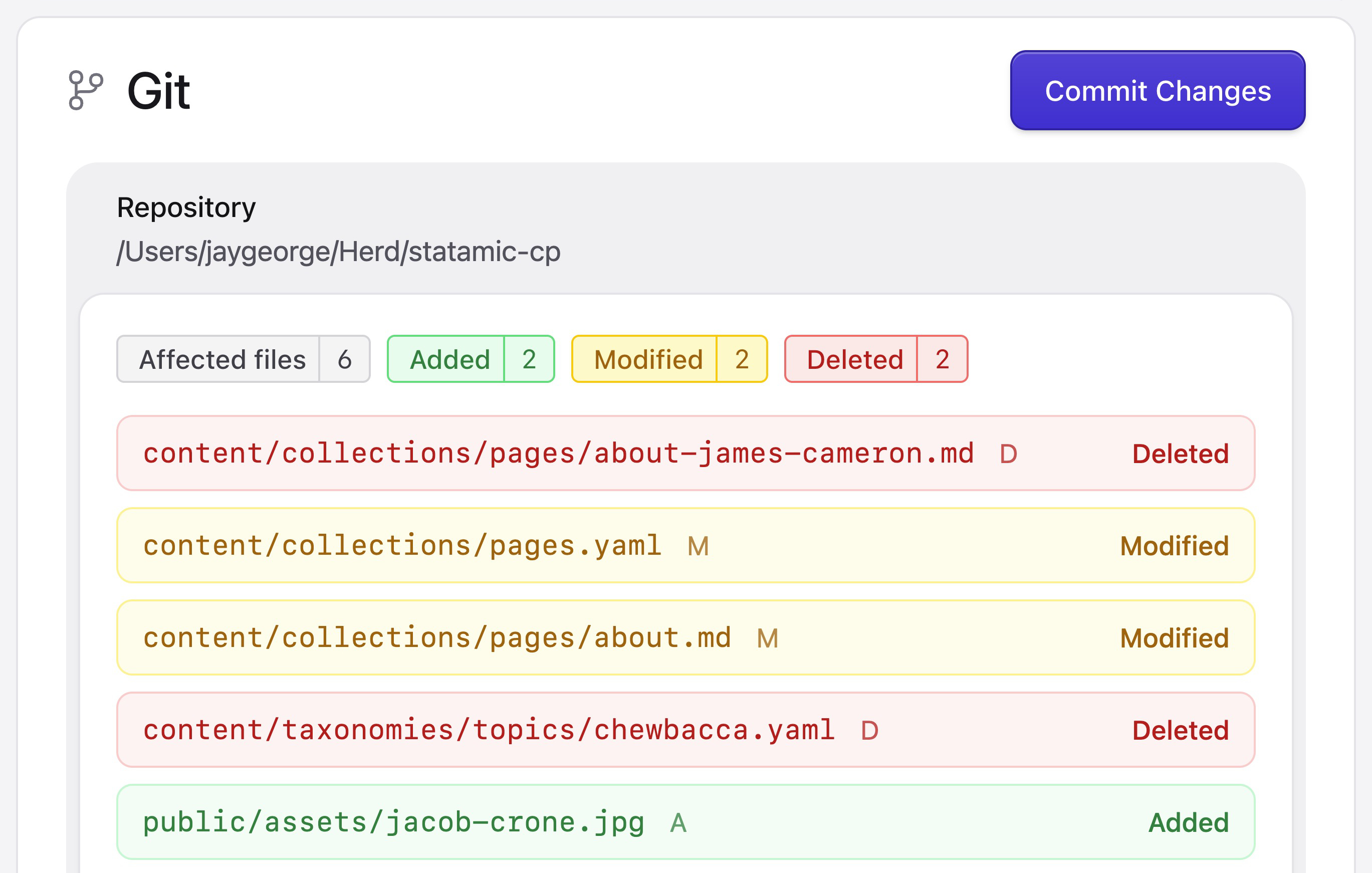
Statamic stores content where you decide:
- Flat files in Git repos you control
- Your own database — MySQL or Postgres
- On your servers, your cloud, your terms
If Storyblok changes pricing, gets acquired, or goes down — your content is at their mercy. With Statamic, it’s always yours.
02 · Pricing
Let’s talk about what it actually costs.
Storyblok’s free tier is limited to 1 user and 1 space. Their Business plan? $2,099/month. Enterprise pricing is custom (read: more).
Statamic Pro is $349 one-time per site, with an optional $99/year renewal for updates and direct support.
For an agency managing 10 client sites, Storyblok could be $20,000+/month. Statamic? $2,750 total. Once. The math does itself.
03 · Beyond headless
Headless is one option, not the only one.
Storyblok is headless-only. Every project requires a separate frontend framework and rendering infrastructure.
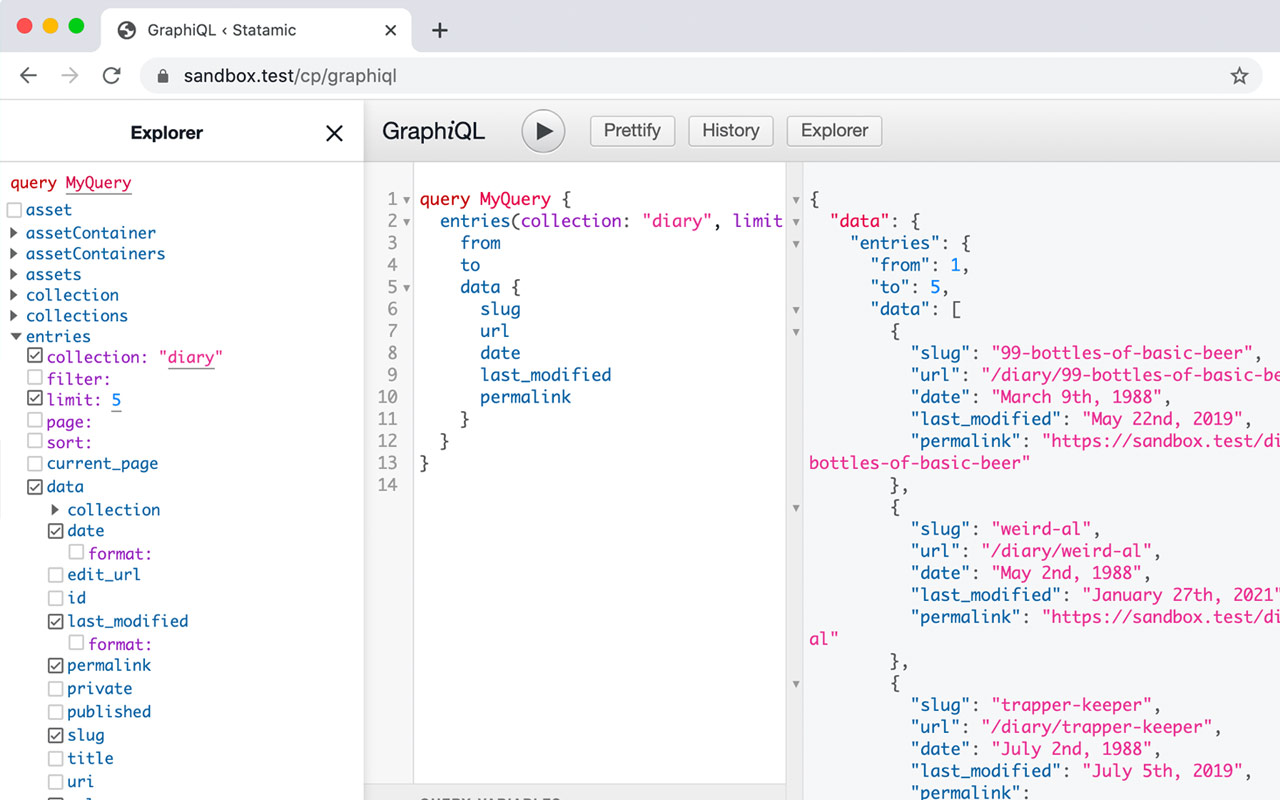
Statamic supports three modes from one codebase:
- Traditional — server-rendered with Antlers or Blade
- Headless — REST API and GraphQL
- Hybrid — mix both approaches in the same project
Start with server-rendered templates. Add API-driven sections for your mobile app or interactive components. No platform migration required.
04 · Editing experience
An editing experience your team will genuinely enjoy.
Storyblok’s visual editor is a real strength — we’ll give them that.
Statamic 6 brings its own editorial power:
- Redesigned control panel (Vue 3, Inertia, Tailwind 4)
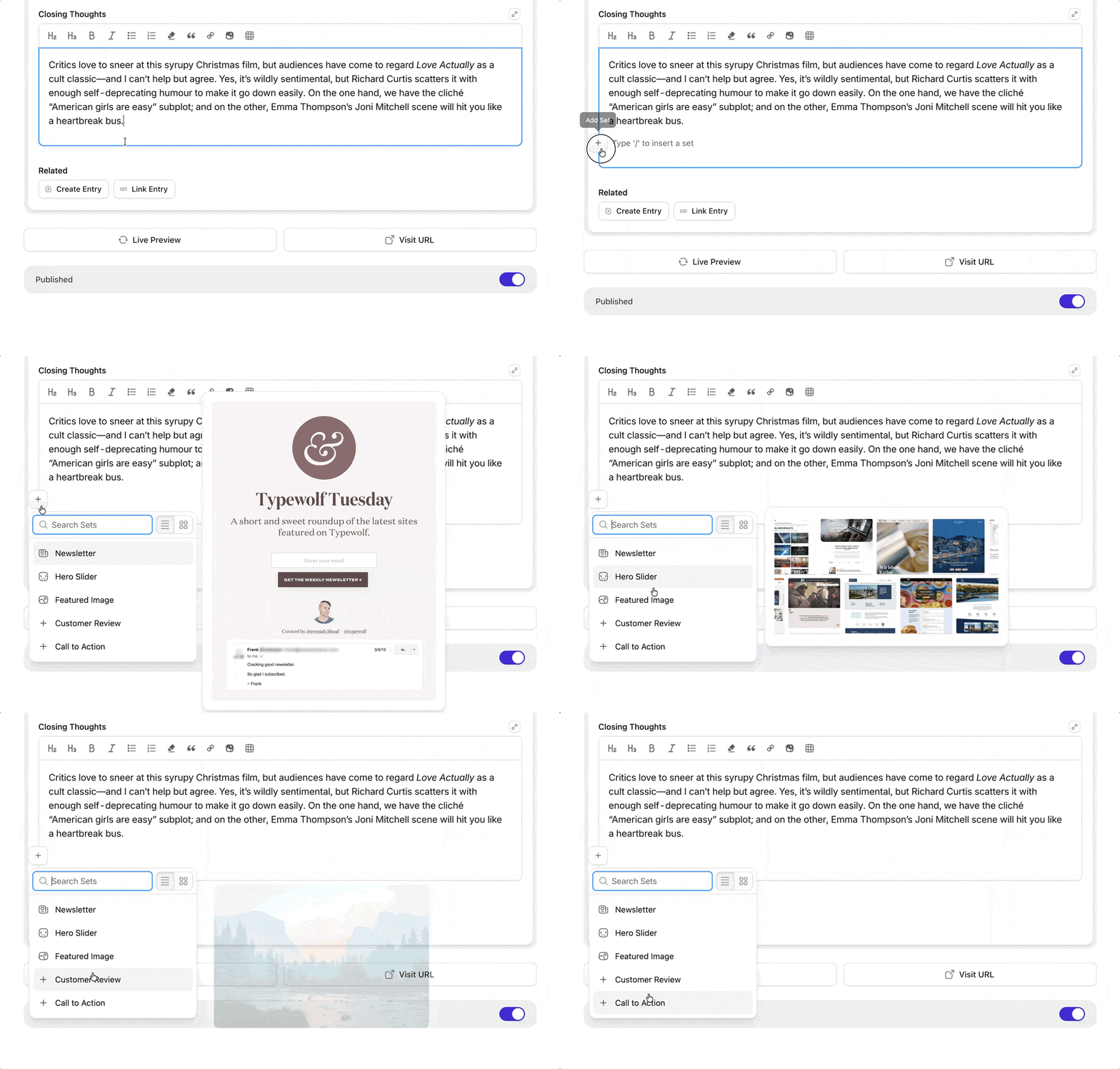
- Live Preview with hot-reload and responsive testing
- Bard — structured blocks inside flowing rich text
- Dark mode with custom theme builder
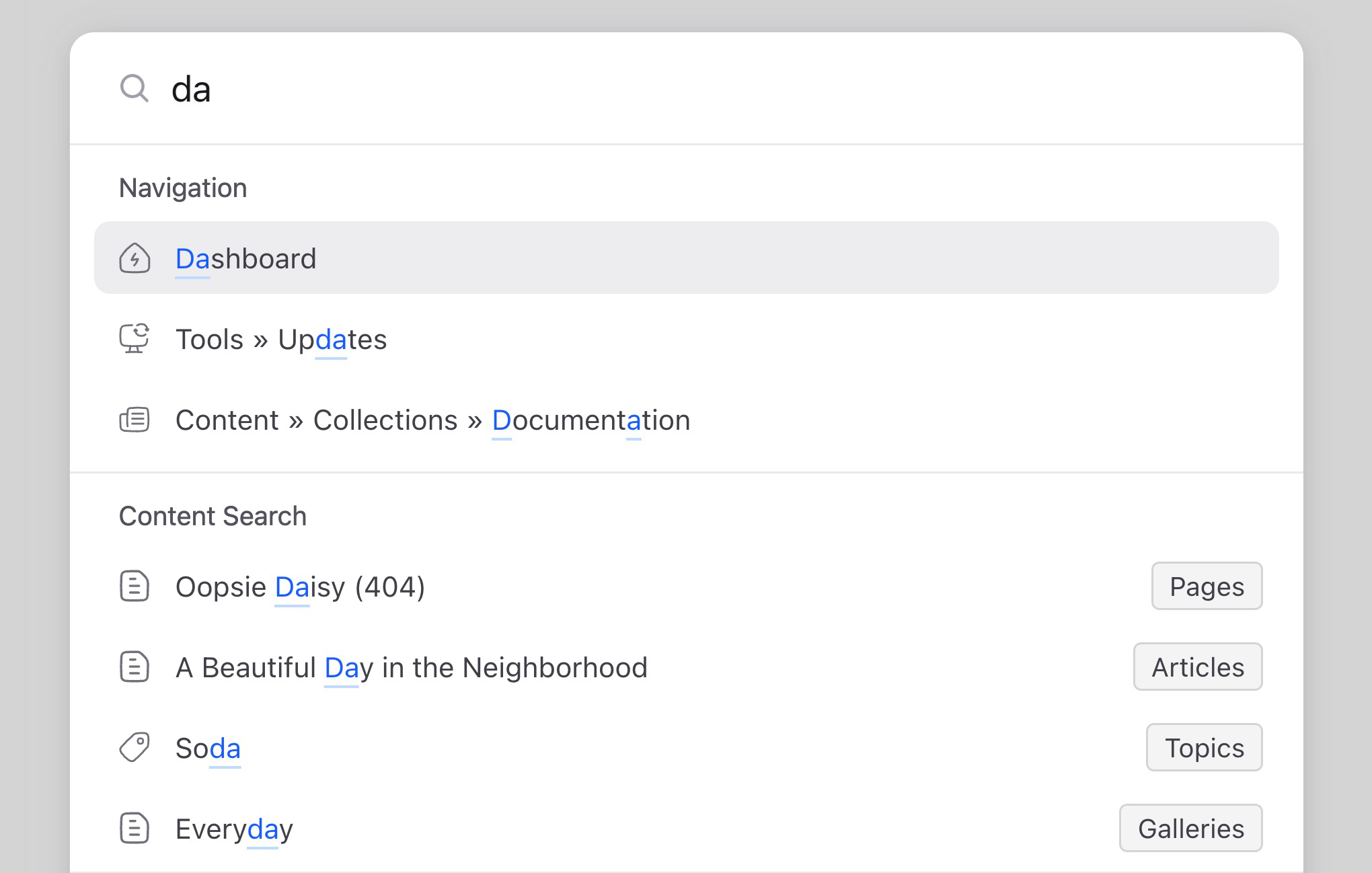
- Command palette for keyboard-first workflows
- Real-time collaboration with field locking
Different approaches, both serious. The editing UX is worth comparing in a live demo.
05 · Laravel-native
Built on Laravel, not bolted onto an SDK.
For PHP/Laravel teams, Statamic is home turf. It installs as a Composer package and gives you access to the entire framework — Eloquent, Blade, queues, events, middleware, Artisan, Horizon, Telescope.
Storyblok requires SDK integration and a separately deployed frontend framework. That’s more moving parts, more infrastructure, and more potential failure points.
If your team already knows Laravel, Statamic is the most productive path to a modern CMS-powered site.

Sylvester Damgaard Principal Architect, TV2 Regionere
“Our journalists love Statamic! It scales perfectly as an enterprise CMS and significantly enhances our workflow.”

Does Statamic have visual editing?
Statamic’s Live Preview gives you real-time rendering with responsive device testing, hot-reload, and field-to-preview highlighting. It’s a different model than Storyblok’s inline visual editor, but it’s powerful and improving with every release.
Can I use Statamic with Next.js or Nuxt?
Yes. Statamic’s REST API and GraphQL make it a capable headless backend for any JavaScript framework. You can also use it as a traditional or hybrid CMS — that flexibility is part of the value.
What about global CDN delivery?
Statamic’s static caching can generate full HTML files served directly by your web server or CDN. With a provider like Cloudflare, Fastly, or AWS CloudFront in front, your response times are as fast as any SaaS platform.
Where is Storyblok the better choice?
If your team wants zero infrastructure management and is fully committed to the headless SaaS model, Storyblok’s visual editor and managed platform can be a good fit. If you prioritize ownership, cost control, and architectural flexibility, Statamic wins.